
Cortisone Injection for Arthritis
Arthritis affects millions of people in the UK, and for many patients, managing joint pain and inflammation is an ongoing daily challenge. Cortisone injections -- more accurately referred to as corticosteroid injections -- are one of the most widely used and well-established treatments for arthritic joint pain. When delivered accurately under imaging guidance, they can provide significant relief from pain and swelling, often enabling patients to engage more effectively with physiotherapy and rehabilitation.
At Ortho Remedy Clinic in Manchester and Glasgow, corticosteroid injections are administered by experienced orthopaedic consultants under ultrasound or fluoroscopic guidance. Accurate placement is essential for both effectiveness and safety. Our consultants will discuss whether a cortisone injection is the most appropriate option for your situation, or whether an alternative such as PRP therapy or another form of non-surgical regenerative treatment would be more appropriate for your specific condition.
What Is a Cortisone Injection?
Cortisone is a synthetic corticosteroid — a medication that mimics the effects of cortisol, a hormone naturally produced by the adrenal glands. When injected into an arthritic joint, it acts as a powerful anti-inflammatory agent, reducing swelling, calming the synovial membrane, and providing meaningful pain relief.
The injection typically contains two components: the corticosteroid itself, which provides the anti-inflammatory effect, and a local anaesthetic, which provides immediate but short-lived pain relief while the steroid takes effect. The steroid component usually begins to work within two to five days and can provide benefit lasting anywhere from a few weeks to several months, depending on the joint affected and the severity of the arthritis.

Which Types of Arthritis Can Be Treated with a Cortisone Injection?
Corticosteroid injections are used at Ortho Remedy Clinic for a range of arthritic conditions, including:
Knee osteoarthritis
Particularly when significant swelling and effusion are present
Hip osteoarthritis
providing relief from groin, thigh, and buttock pain
Shoulder arthritis
Including glenohumeral joint osteoarthritis and acromioclavicular (AC) joint arthritis
Ankle and foot arthritis
Including tibiotalar joint degeneration and first metatarsophalangeal (MTP) joint arthritis
Wrist and hand arthritis
Including radiocarpal arthritis and basal thumb arthritis (trapeziometacarpal joint)
Inflammatory arthritis
Including rheumatoid arthritis, psoriatic arthritis, and gout, where local injection can reduce acute flares
Sacroiliac joint arthritis
A source of lower back and buttock pain in some patients
For patients with knee arthritis specifically, our consultants will consider whether a cortisone injection is the most appropriate first step or whether PRP injection for knee pain offers a more suitable option — particularly in patients who require sustained benefit rather than short-term relief, or who have had limited lasting effect from previous corticosteroid injections.
Benefits and Limitations of Cortisone Injections for Arthritis
- Benefits
- Limitations and Risks
- Rapid onset of anti-inflammatory effect — usually within 2 to 5 days
- Significant reduction in joint swelling and pain in most patients
- Enables engagement with physiotherapy and rehabilitation that would otherwise be too painful
- Minimally invasive — typically takes less than 30 minutes as an outpatient procedure
- Imaging guidance ensures accurate placement and maximises effectiveness
- The duration of benefit varies — some patients experience relief for several months, others for a shorter period
- Repeated steroid injections can weaken the cartilage and surrounding soft tissues over time
- Guidelines generally recommend no more than three to four injections per joint per year
- Steroid injections do not slow the progression of arthritis or repair damaged cartilage
- Temporary elevation of blood sugar levels can occur — this is particularly relevant for patients with diabetes
- A small risk of post-injection pain flare in the first 24 to 48 hours
- Infection is a rare but recognised risk with any injection procedure
Our consultants will discuss these points openly with every patient before proceeding. Where there are concerns about the appropriateness or frequency of cortisone injections, alternative treatments will be discussed in full.
When Cortisone Injections Are -- and Are Not -- the Right Choice
Cortisone injections are most appropriate when there is active joint inflammation, significant swelling, or a need to achieve rapid pain control so that physiotherapy can begin. They are particularly useful as a bridge treatment — providing relief while longer-term management strategies take effect.
They are less appropriate as the primary long-term management strategy for progressive arthritis, particularly in patients who have already had multiple courses with diminishing returns. In these situations, our consultants may recommend more advanced options such as PRP therapy or biological treatments as part of the
Non-surgical regenerative therapy programme available at our Manchester and Glasgow clinics.
The Cortisone Injection Process at Our Clinics
The procedure at Ortho Remedy Clinic is straightforward and well tolerated:
Consultation
Your joint condition is assessed, your suitability confirmed, and the procedure explained in full.
Preparation
The skin over the joint is cleaned thoroughly. A local anaesthetic may be applied.
Imaging guidance
Ultrasound or fluoroscopic imaging is used to visualise the joint and guide accurate needle placement.
Injection
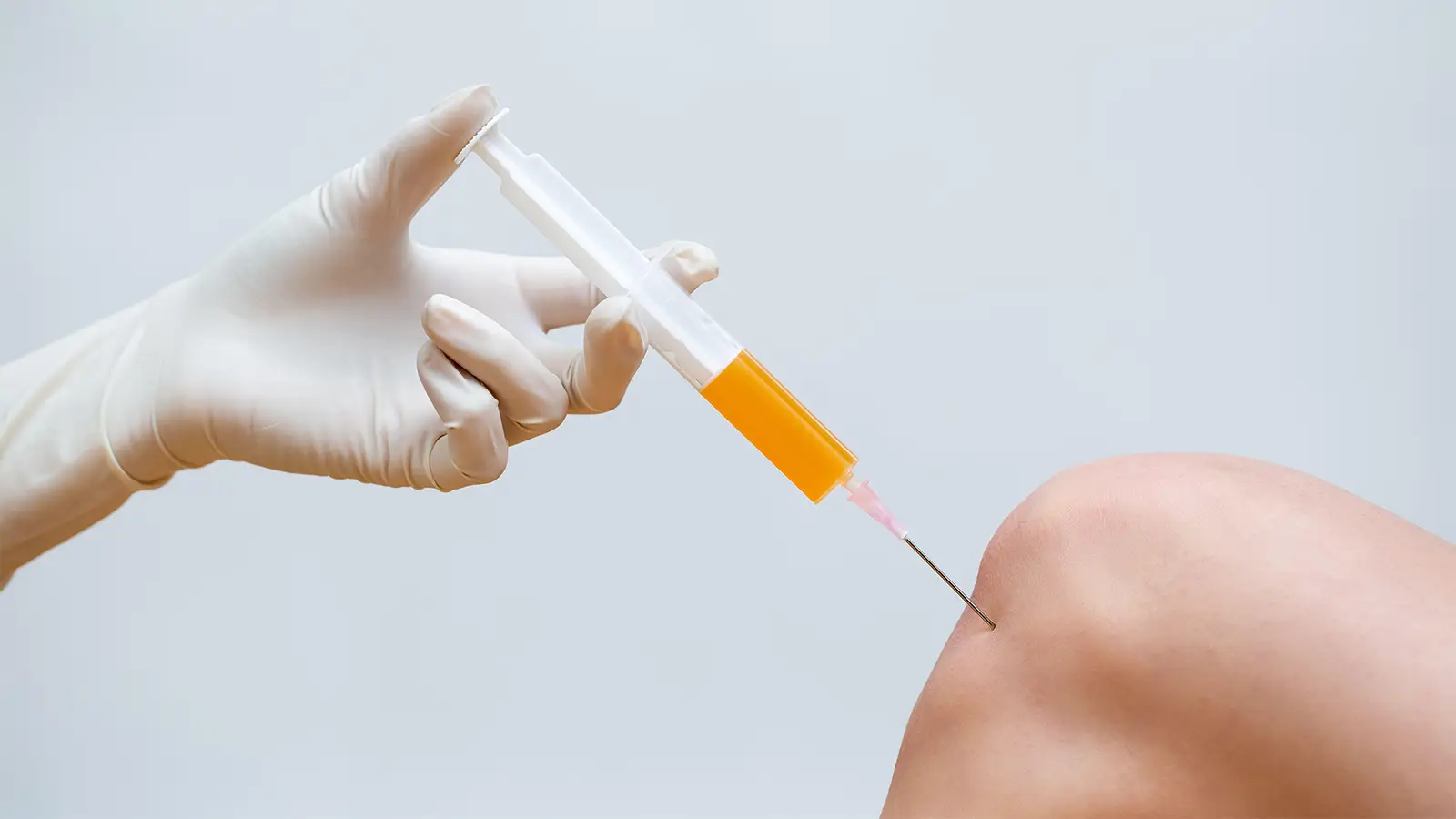
The corticosteroid and local anaesthetic are injected into the joint. The procedure takes approximately 15 to 20 minutes.
Aftercare
Specific aftercare guidance is provided, including recommended activity modifications for the first 24 to 48 hours.
Follow-up
A review appointment is arranged to assess your response and discuss next steps.
Book a Cortisone Injection Consultation in Manchester or Glasgow
If you are living with arthritic joint pain and would like to explore whether a cortisone injection could provide meaningful relief, Ortho Remedy Clinic offers specialist-guided injections at both our Manchester and Glasgow clinics. You can book an appointment online, or contact our team to discuss your situation.

Get In Touch
Imagine the possibility where you don’t need pain medication or the need for a medical operation can be sustained or eliminated. There are now therapies available that may increase your body’s natural ability to repair thanks to modern regenerative medicine technology. If you want to learn more about it, please contact us right now.
Working Hours
- MONDAY 9AM – 6PM
- TUESDAY 9AM – 6PM
- WEDNESDAY 9AM – 6PM
- THURSDAY 9AM – 6PM
- FRIDAY 9AM – 6PM
- SATURDAY 9AM – 4PM
Newsletter
MANCHESTER CLINIC
High Lane Medical Centre, Buxton Road, Stockport, SK6 8DR
GLASGOW CLINIC
Spiersbridge House, 1 Spiersbridge Way, Thornliebank, G46 8NG
Frequently Asked Questions
The duration of benefit varies considerably between patients and between joints. Many patients experience meaningful relief for between six weeks and six months. In some cases, the benefit may last longer. Factors including the severity of arthritis, the joint injected, and individual response all influence how long the effect lasts.
Guidelines generally recommend no more than three to four injections in any one joint per year. Repeated injections can weaken cartilage and surrounding soft tissues. Where cortisone injections are providing limited or diminishing benefit, alternative treatments should be discussed.
The procedure causes some discomfort. A local anaesthetic is usually included in the injection, which reduces the pain during the procedure itself. Some patients experience a temporary increase in pain in the joint — known as a post-injection flare — in the first 24 to 48 hours. This is a recognised and self-limiting phenomenon.
No. Patients can self-refer directly to our Manchester or Glasgow clinic. A thorough assessment will be carried out before any injection is administered.
In many cases, yes. Corticosteroid injections are often used as part of a broader management plan that includes physiotherapy and rehabilitation. Your consultant will advise on the most appropriate combination of treatments for your condition.
Cortisone injections can cause a temporary rise in blood sugar levels, which can be more pronounced and prolonged in patients with diabetes. This should be discussed with your consultant before the procedure. Monitoring blood glucose levels more closely in the days following the injection is generally advisable for patients with diabetes.
Contact Ortho Remedy Clinic
To arrange an appointment at our Manchester clinic, please contact us by one of the following methods:
No GP referral is required. Patients are welcome to self-refer directly. A member of the team will respond within one working day to confirm your appointment.
Book online or contact us — our Glasgow team is happy to help.